
Geopolitical and Economic Uncertainty
Friday, April 24, 2026 | Schreiber Center 1001
Geopolitical and Economic Uncertainty: 2026 and Beyond
Understanding Global Risk in a Fragmented World
As we navigate through the past several years, we find ourselves at an era where predictable and settled international norms have given way to what many experts describe as a “turbulent” global outlook. The defining theme of our time is no longer just "change," but a systemic geopolitical and economic uncertainty leading to an uneasy prospect for peace, in the Middle East, the rise of an uncertain political and economic environment in Latin America, the evolving growth of an asymmetric AI-driven logistical and informational threats and opportunities in Asia, and the continuation of a hybrid war in Eastern Europe.
Please join us on April 24, 2026 for the conference on “Geopolitical and Economic Uncertainty: 2026 and Beyond” to learn from a cadre of expert diplomats and industry leaders who will attempt to catalogue these risks while identifying the resilient political and economic strategies necessary to survive them. Put differently, managing the risk of the gap between "what is happening" and "how we respond.
Agenda
Click here to view the line-up
Date: Friday, April 24, 2026
Time: 2:00 - 6:00 p.m.
Location: Schreiber Center, Room 1001
1:30pm | Registration Opens
2:00pm | Opening Remarks and Introduction
2:15pm | Panel 1: Emerging Geopolitical Environment
David Hale, Former US Ambassador to Pakistan, Lebanon, and Special Envoy for Middle East Peace
David Jacobson (moderator), Former US Ambassador to Canada
Valerie Nielsen, Managing Director, Longview Leader Corporation
David Wilhelm, Founder and CEO, HGR Energy
3:45pm | Q&A with Panel 1
4:00pm | Coffee Break
4:15pm | Panel 2: Future Economic Landscape
Erik Heuser, EVP, Chief Corporate Operations Officer, Taylor Morrison
Abol Jalilvand (moderator), Professor of Finance and Director, Risk Management and Insurance Center, Loyola University Chicago
Tassos Malliaris, Walter F. Mullady, Sr., Professor of Economics, Loyola University Chicago
Robert Ruffolo, CEO, Global Initiatives Consulting Group
Arup Varma, Frank W. Considine Chair in Applied Ethics, Loyola University Chicago
5:45pm | Q&A with Panel 2
6:00pm | Networking Reception
7:00pm | Adjourn
Meet the Panelists
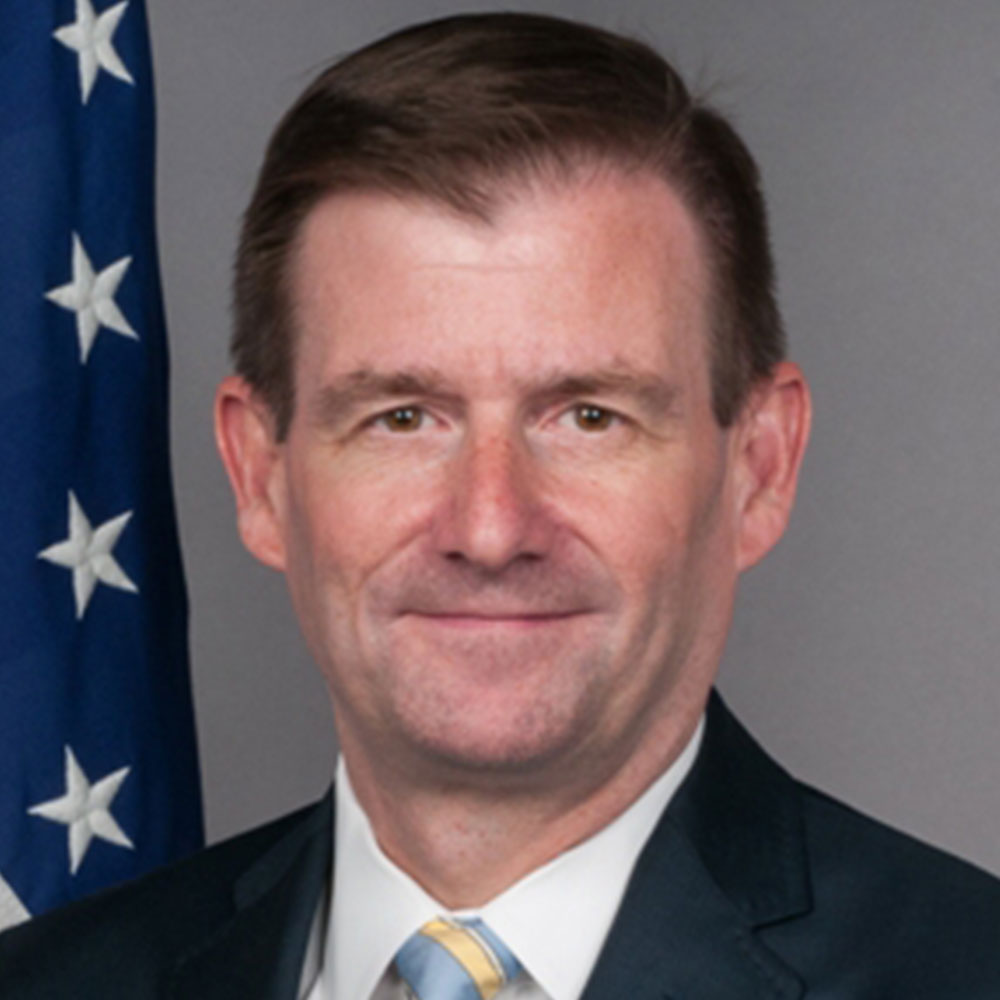
David Hale
Former US Ambassador to Pakistan and Lebanon; Special Envoy for Middle East Peace
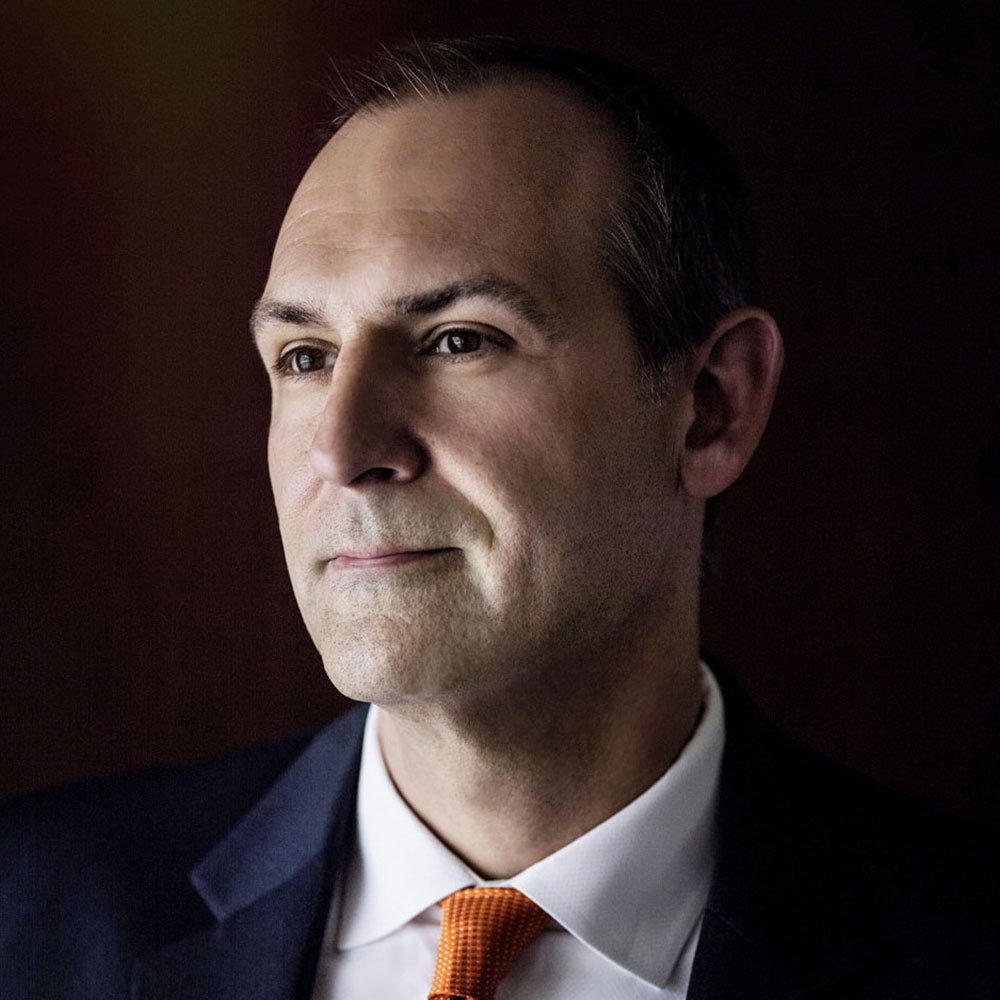
Erik Heuser
EVP, Chief Corporate Operations Officer, Taylor Morrison
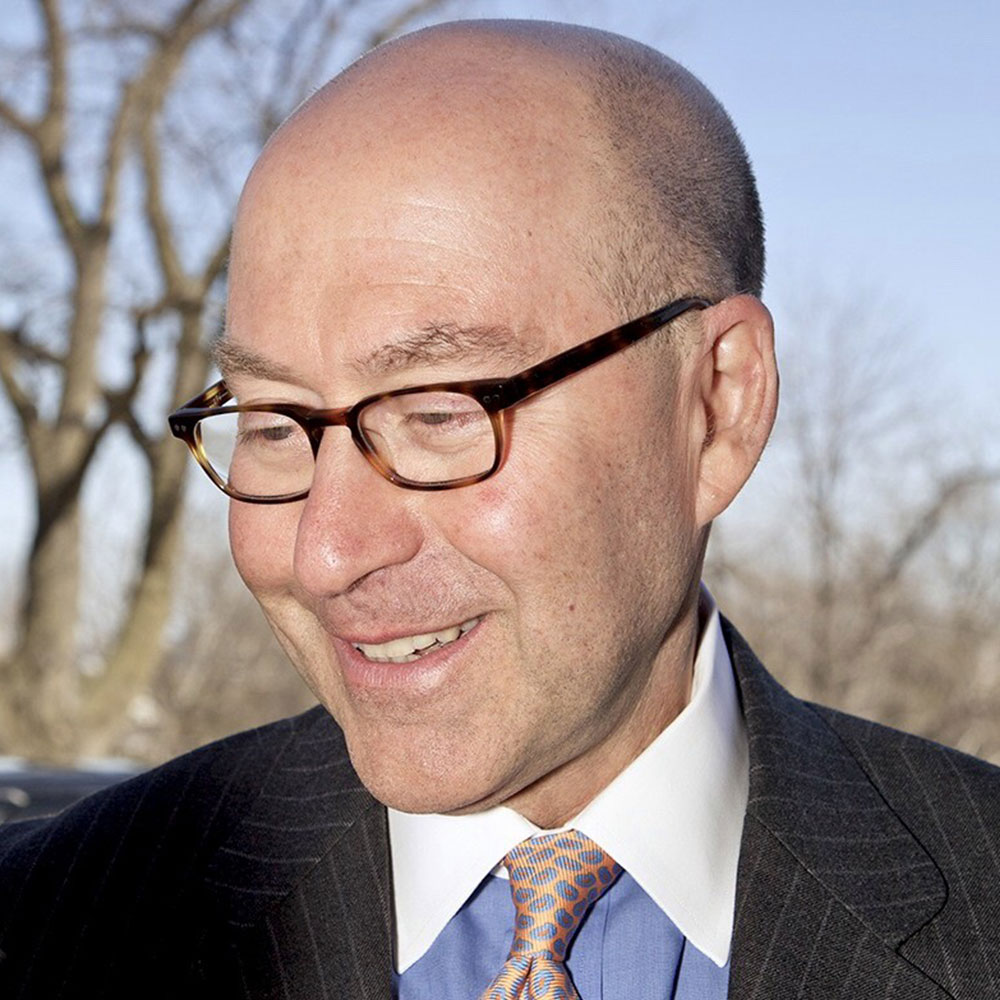
David Jacobson
Former US Ambassador to Canada
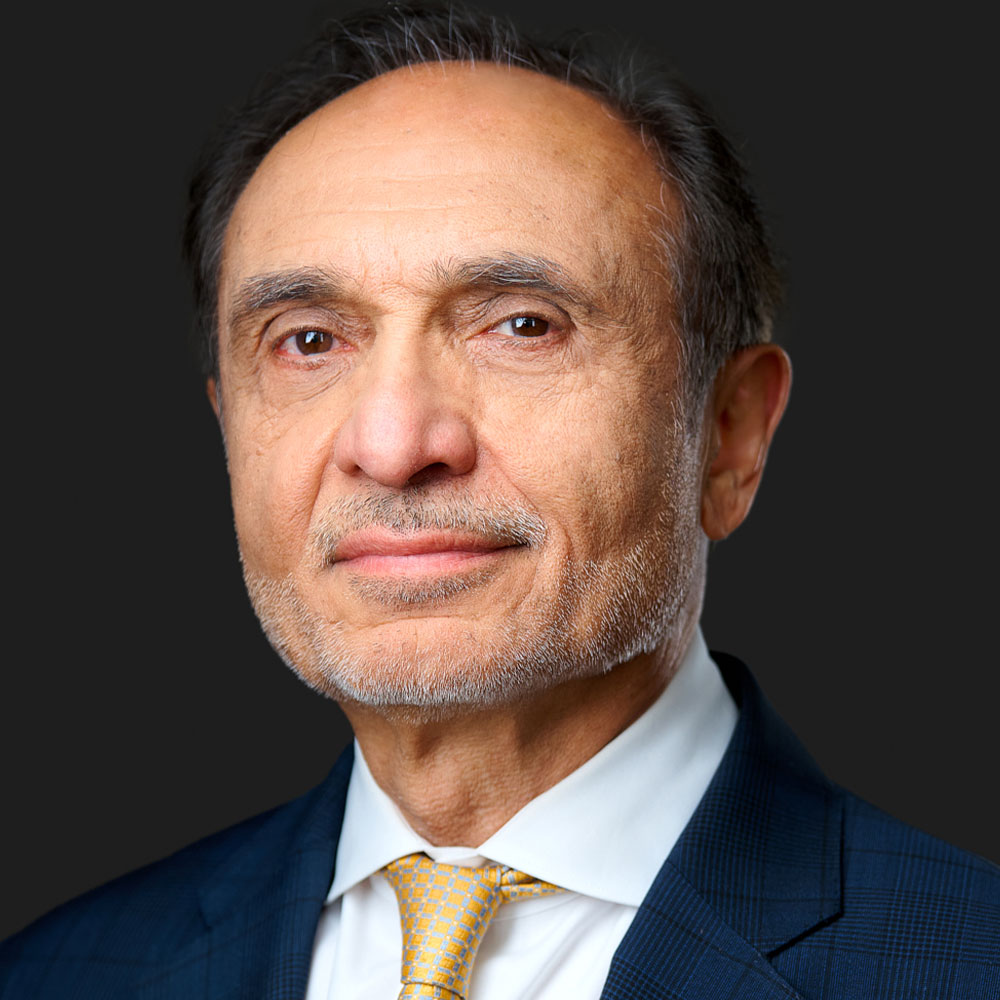
Abol Jalilvand
Professor of Finance and Director, Risk Management and Insurance Center, Loyola University Chicago
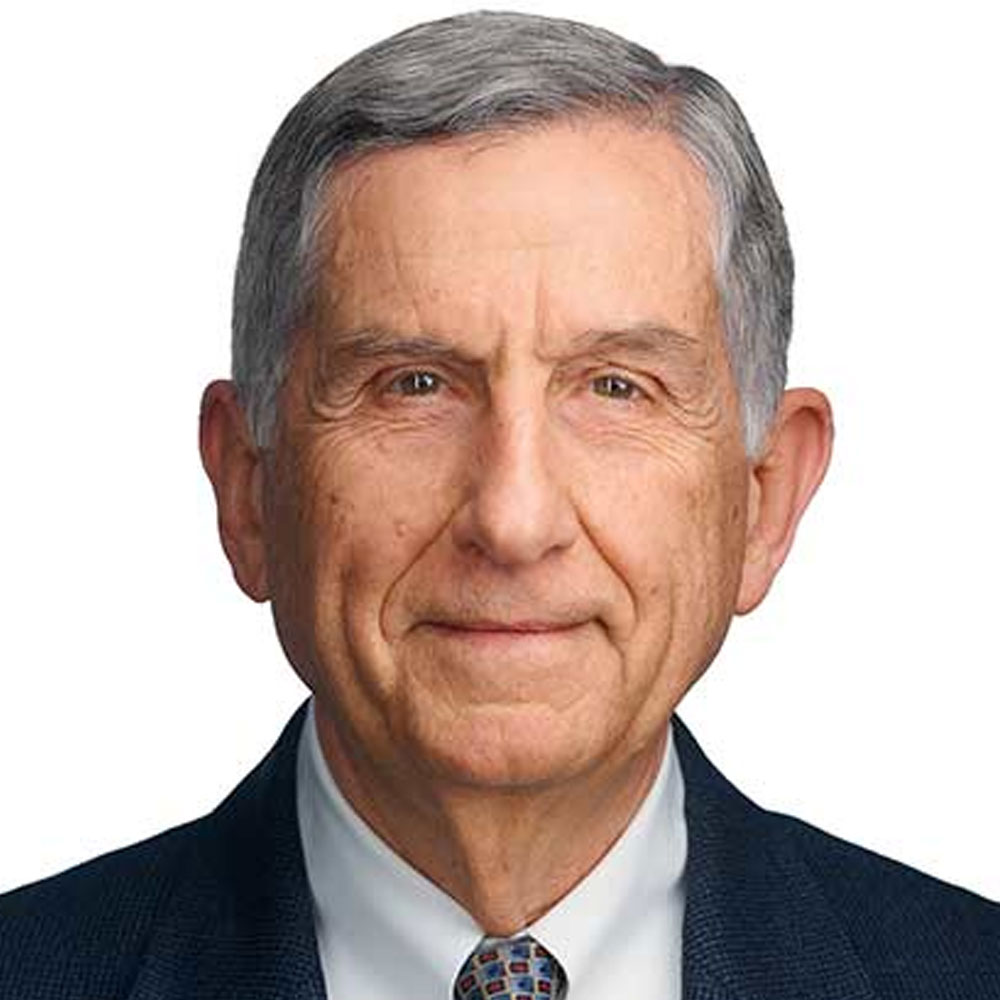
Tassos Malliaris
Walter F. Mullady, Sr., Professor of Economics and Department Chair of Economics, Loyola University Chicago
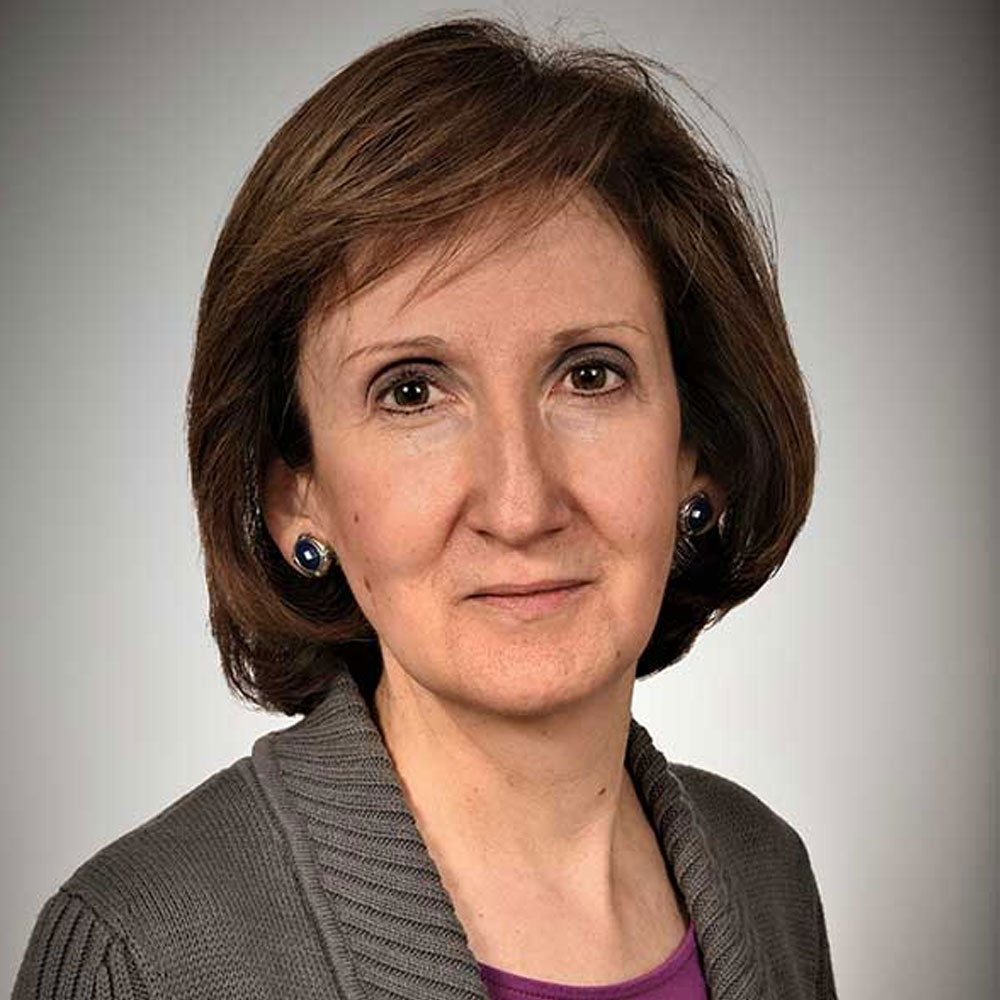
Valerie Nielsen
Managing Director, Longview Leader Corporation
Robert Ruffolo
CEO, Global Initiatives Consulting Group
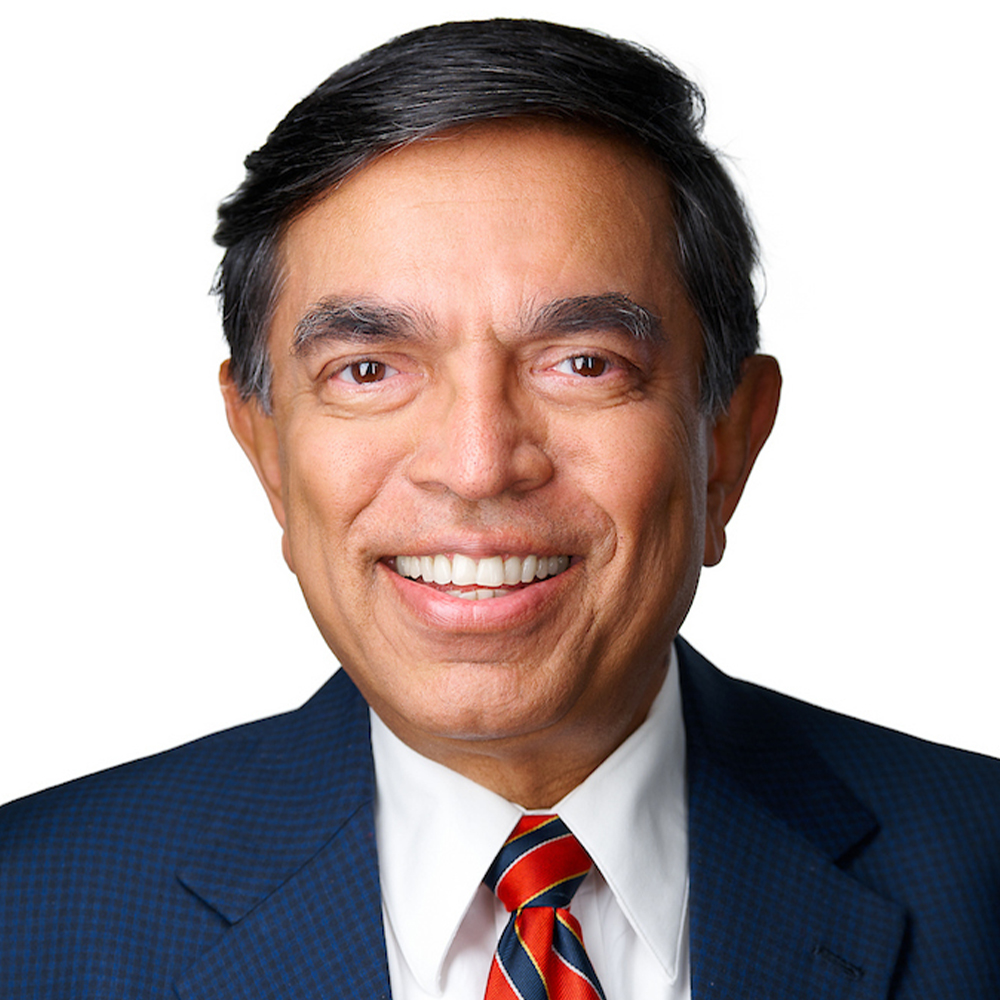
Arup Varma
Frank W. Considine Chair in Applied Ethics, Loyola University Chicago
David Wilhelm
Founder and CEO, HGR Energy
As we navigate through the past several years, we find ourselves at an era where predictable and settled international norms have given way to what many experts describe as a “turbulent” global outlook. The defining theme of our time is no longer just "change," but a systemic geopolitical and economic uncertainty leading to an uneasy prospect for peace, in the Middle East, the rise of an uncertain political and economic environment in Latin America, the evolving growth of an asymmetric AI-driven logistical and informational threats and opportunities in Asia, and the continuation of a hybrid war in Eastern Europe.
Please join us on April 24, 2026 for the conference on “Geopolitical and Economic Uncertainty: 2026 and Beyond” to learn from a cadre of expert diplomats and industry leaders who will attempt to catalogue these risks while identifying the resilient political and economic strategies necessary to survive them. Put differently, managing the risk of the gap between "what is happening" and "how we respond.